
Spring Weed Control Guide: What Tulsa Lawns Need

February in Tulsa, OK and Broken Arrow, OK is the month that tricks people. A warm afternoon makes it feel like spring is already here, then a cold morning reminds you it is not. Your lawn notices those swings too. Weed seeds pay attention to warming soil and longer daylight, which means the spring weed season often starts before it looks like it has started. This spring weed control guide is designed for that exact moment. Not when weeds are already everywhere, but when you still have time to stay ahead.
A clean spring lawn is not about one product. It is about timing, consistency, and a few habits that keep grass thick so weeds have less room to move in.
The spring weeds Tulsa homeowners see most
Warm season lawns in our area often battle crabgrass and other grassy weeds once soil temperatures rise. Broadleaf weeds can pop up early too, especially in thin areas near sidewalks and driveways. Beds bring their own pressure, since open soil and thinning mulch give weeds a perfect place to germinate.
The best way to use this spring weed control guide is to think about where weeds showed up first last year. Was it along the driveway edge? Was it in the backyard where the dog runs a worn path? Was it in the bed by the front door where mulch got thin? Patterns are the clue. When you know your pattern, you can treat with more purpose and less guesswork.
The timing window most people miss
Spring weed control is won early. Many homeowners wait until weeds are visible, then try to catch up. By then, prevention steps are less effective and you are forced into more spot treatments.
A simple way to think about timing is this. Your first steps should happen while the lawn still looks mostly clean. That is when preventative treatments can help reduce germination and take pressure off the rest of the season.
In Tulsa and Broken Arrow, the timing can shift year to year because February weather is unpredictable. That is why this spring weed control guide focuses on readiness, not a single date on the calendar.
If you want professional help mapping out a seasonal plan, check out - https://paschallslawn.com/weed-control-fertilization/
Pre-emergent basics without the confusion
A pre-emergent is not a weed killer for weeds you can already see. It is a barrier that helps stop many weed seeds from successfully sprouting. When it is applied at the right time and watered in correctly, it can reduce the number of weeds that ever show up.
The most common mistake is uneven coverage. Weeds will appear in the gaps. A consistent spread pattern matters, especially along edges where weeds like to start. The second mistake is disturbing the soil after application with heavy raking or aggressive aeration, which can break the barrier. If you plan aeration, do it first, then apply the pre-emergent after.
This spring weed control guide is not telling you to obsess over products. It is telling you to respect timing and coverage, because those two things decide results more than the label does.
What to do when weeds are already up
Even with great prevention, some weeds will still show up. Wind blows seed. Soil shifts. Thin grass creates openings. When you see active weeds, targeted post-emergent treatments can help. The goal is not to blanket spray everything. The goal is to control weeds in the areas where they are growing, then fix the reason they like that spot.
If weeds are showing up in the same patch every year, that usually means grass is thin or stressed there. Improve mowing habits, reduce traffic if possible, and adjust watering so roots strengthen. Weed control works better when grass health supports it.
Grass thickness is the secret weapon
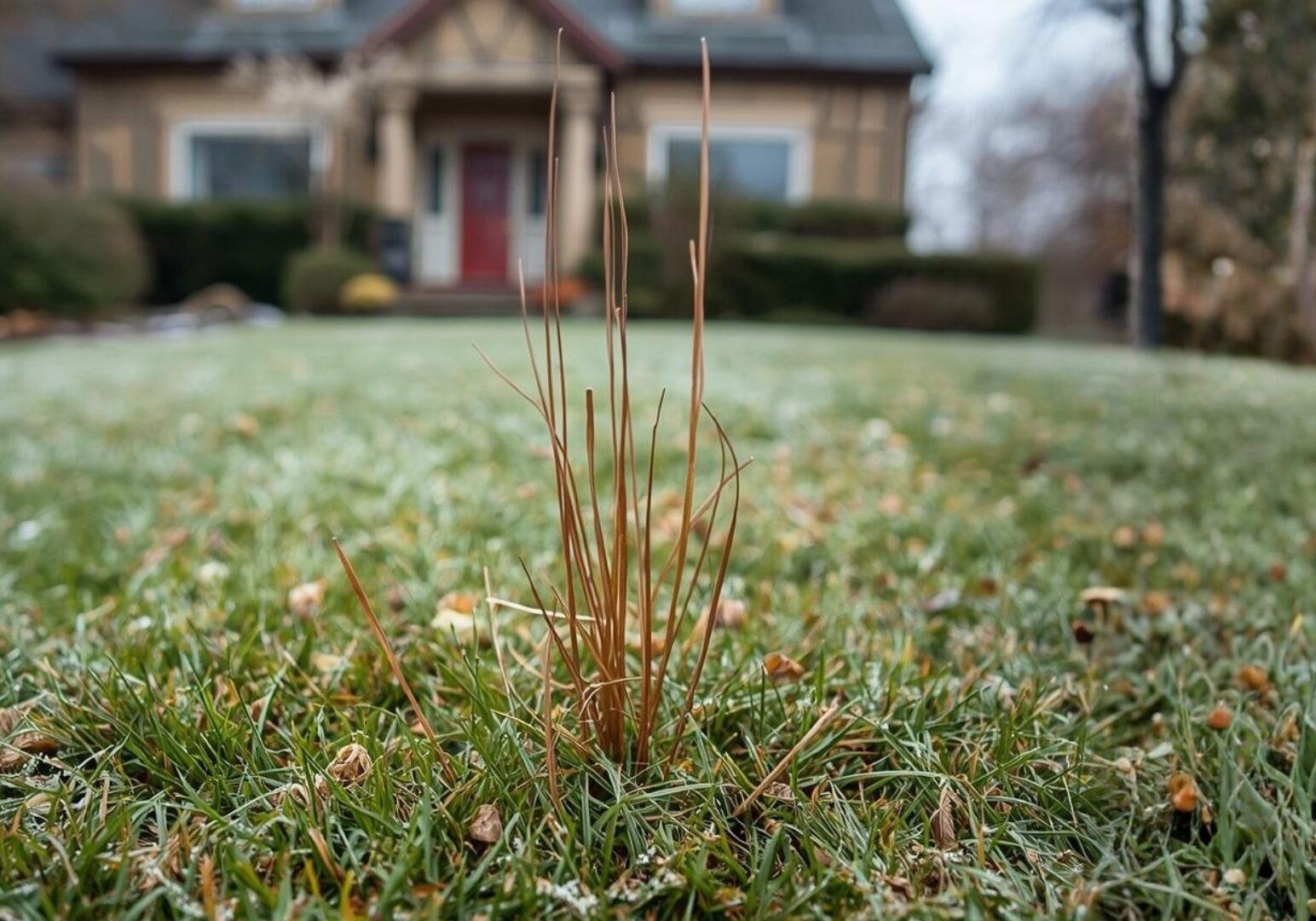
The healthiest lawns naturally crowd weeds out. When grass is dense, it shades the soil and reduces germination. When grass is thin, sunlight reaches the ground and weeds take the invitation.
Mowing height is a big factor. Scalping weakens grass and exposes soil. Consistent mowing at the right height keeps grass thicker. Watering matters too. Frequent shallow watering creates shallow roots and weaker grass. Deep, less frequent watering supports stronger roots and better density. This is the part of spring weed control that feels boring, but it is the part that separates a lawn that fights weeds all season from a lawn that stays steady.
Do not ignore beds and borders
Beds and borders often feed the problem. Weeds love open soil and thinning mulch. If you clean beds early, top off mulch to a consistent depth, and keep edges tight, you reduce weed pressure across the yard. You also reduce the amount of seed that drifts into grass.
This is a smart moment in February to walk beds and pull the few weeds you can see now. A little effort early prevents a much bigger job later when growth speeds up.
For a service based approach that combines weed control and lawn health, check out -https://paschallslawn.com/weed-control-fertilization/
What success looks like in March and April
Success is not zero weeds forever. A good plan shows up as fewer large outbreaks and fewer surprise patches that need rescue. Over time, you notice that weeds still appear, but they do not spread as quickly and they are easier to manage.
This spring weed control guide is meant to lower the work load later. When you get the timing right and keep grass thick, you spend less time reacting and more time enjoying the yard once spring weather is fully here.
Conclusion
Spring starts early in Tulsa and Broken Arrow, even when winter tries to hang on. The smartest moves happen before weeds wake up. Use this spring weed control guide as your February reset.
Learn the timing window, apply prevention steps before the lawn looks messy, and pair treatments with strong mowing and watering habits that keep grass dense. Keep beds clean and mulch consistent so weeds have fewer places to start.
If you want help building a seasonal plan that fits your lawn, reach out to us today!
Keep your property looking sharp all season.
Tell us about your property and get a fast and transparent quote.