
Why are there still weeds after my lawn was treated?

You have your lawn treated for weeds, wait a little while, and start seeing improvement. Then you notice a few weeds still standing near the driveway, along the fence, or in a thin part of the yard.
It is easy to wonder whether the treatment worked.
The answer is usually more complicated than yes or no. Weed control treatments for Tulsa homeowners rely on are designed to reduce weed pressure and improve the lawn over time, but not every weed responds the same way or at the same speed. Some weeds may already be mature. Others may germinate after a treatment. Certain problem areas may also need more targeted attention.
Understanding what happens after a lawn treatment can make it much easier to judge the results and know what to expect next.
Not every weed responds at the same speed
Different weeds react differently to treatment. Some begin showing signs of stress fairly quickly. Others take longer to curl, discolor, weaken, and eventually die.
That means a weed that is still visible does not necessarily mean nothing is happening.
A mature weed with a large root system may take longer to break down than a young weed that recently emerged. Weather conditions can also affect how quickly the plant responds. When homeowners judge weed control treatments Tulsa lawns receive after only a short period, they may be looking at the lawn before the treatment has had enough time to do its job.
The better question is whether the weeds are beginning to weaken and whether the overall number of weeds is going down.
Mature weeds can be tougher to control
A young weed is usually easier to manage than one that has been growing for weeks. Once a weed becomes established, it may have deeper roots, thicker leaves, or a larger stored energy supply.
That can make mature weeds more stubborn.
Some may respond to the first treatment but need additional attention before they disappear completely. This is especially common in parts of the yard where weeds have been allowed to grow undisturbed or where the grass has been thin for a long time.
This is one reason consistent lawn care matters. Treating weeds early helps prevent them from becoming larger problems later in the season.
New weeds can appear after treatment
One of the most confusing parts of weed control is seeing new weeds after the lawn has already been treated.
That does not always mean the original treatment failed.
Weed seeds can sit in the soil and germinate at different times depending on temperature, rainfall, sunlight, and soil conditions. A treatment may be working on the weeds that were already growing while another group begins emerging later.
This is especially noticeable during spring in Tulsa and Broken Arrow. Rapid changes in temperature and moisture can create new growing conditions within a short period. Homeowners may see one group of weeds fading while another begins appearing nearby.
Effective weed control and fertilization is built around managing that pressure throughout the growing season instead of expecting every possible weed to disappear after a single visit.
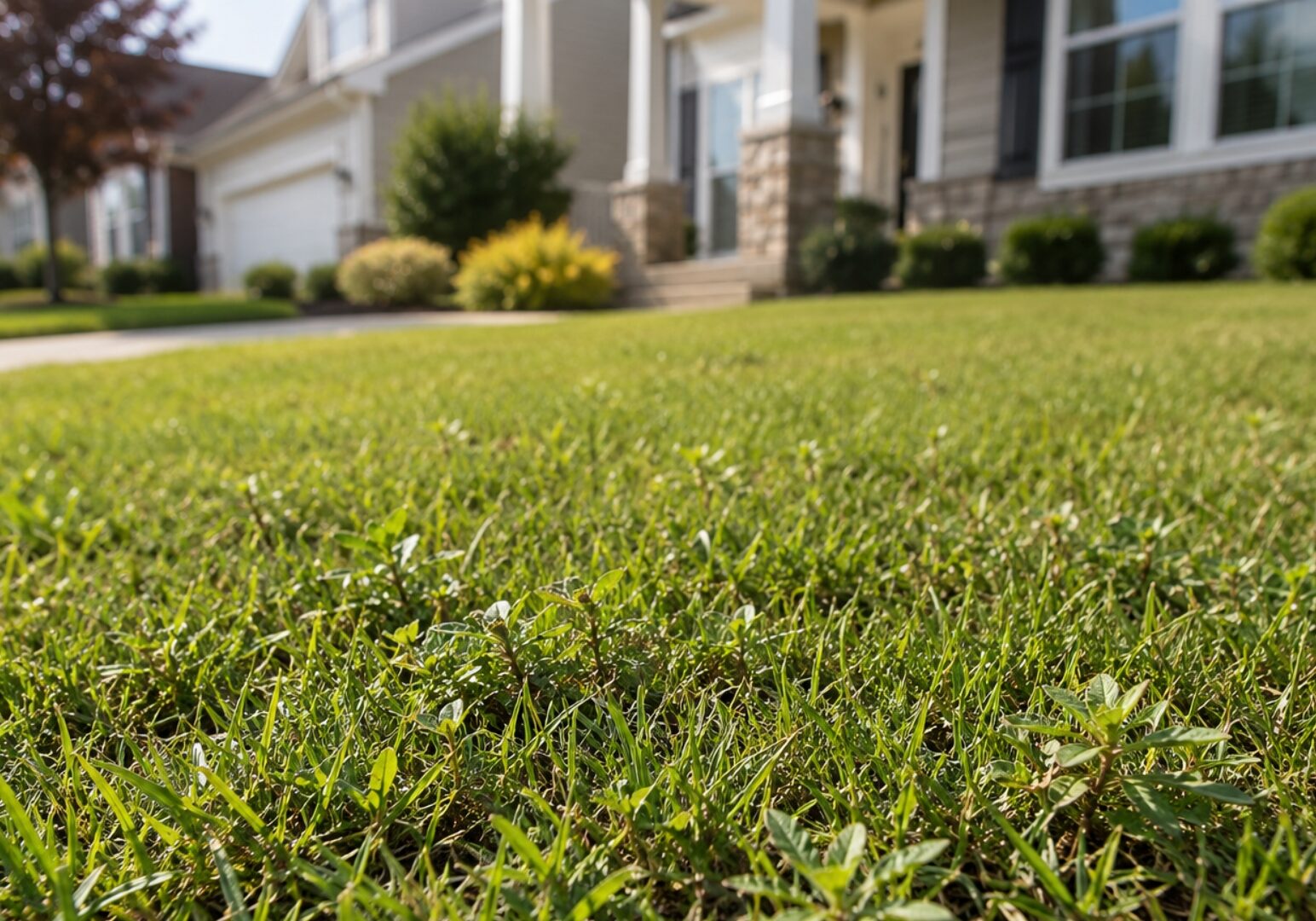
Some weeds need targeted treatment
A lawn can have several different weed types growing at the same time. They may look similar from a distance, but they do not always respond to the same approach.
Some weeds are broadleaf varieties. Others are grassy weeds. Some grow close to the ground while others spread quickly through thin lawn areas. Certain weeds may require targeted post emergent treatment once they are actively growing.
That is why professional weed control is more than simply applying the same product everywhere and walking away. The weeds that remain can help identify where additional attention may be needed.
A few stubborn weeds in one area are very different from widespread weed growth across the entire lawn.
Weather changes what homeowners see
Tulsa weather can change quickly, and those changes affect weed growth.
A stretch of rain may encourage new weeds to emerge. Hot, dry conditions can slow the response of both grass and weeds. Strong spring growth can make a lawn look different from one week to the next.
Moisture also affects how quickly weeds grow between scheduled treatments. A lawn that receives several days of rain may suddenly show more visible weed growth even though the overall weed pressure is still improving.
That is why judging a weed control program based on one afternoon in the yard can be misleading. It is more useful to watch the lawn over several weeks and look for the larger trend.
Mowing can change the appearance of weeds
Mowing does not necessarily remove a weed problem. It may simply make it less visible for a few days.
Some weeds grow back quickly after being cut. Others spread low enough that the mower barely touches them. Homeowners may also notice weeds more after mowing because the shorter grass makes anything growing differently stand out.
Mowing height matters too. Cutting grass too short can weaken the lawn and expose more soil to sunlight. That creates additional opportunities for weed seeds to germinate.
Healthy, properly maintained grass is one of the best long term defenses against weeds because it leaves less open space for them to establish.
Pulling weeds can sometimes help and sometimes hurt
It is tempting to pull every weed that remains after a treatment. For isolated weeds, that may be fine if the entire root comes out.
The problem starts when weeds break off at the surface while the root stays behind. Some weeds can regrow quickly from what remains underground. Pulling can also disturb the soil and expose new weed seeds to sunlight.
Homeowners who are already using professional weed control treatments Tulsa services provide may be better off allowing the treatment time to work before aggressively disturbing the area.
Look at the whole lawn, not one weed
The best way to judge weed control is to step back.
A single weed near the driveway can catch your attention, but it does not tell you how the entire lawn is performing. Compare the overall number of weeds to what you saw before treatment. Look at whether problem areas are improving. Notice whether the grass is becoming thicker and healthier.
A successful weed control program should gradually reduce the opportunities weeds have to take over.
The goal is not simply to chase individual weeds. It is to create a healthier lawn where weeds have a harder time competing in the first place.
That is why Paschall's weed control and fertilization services combine weed management with lawn health. Fertilization helps support stronger grass, while continued weed control keeps pressure from building back up.
Good weed control is a process
Weed control treatments Tulsa homeowners use are most effective when they are part of an ongoing lawn care plan. Pre emergent treatments can help prevent certain weeds from developing, while post emergent treatments address weeds that are already growing.
Fertilization, proper mowing, watering, and healthy grass growth all support that process.
Over time, the goal is fewer weeds, thicker grass, and less opportunity for unwanted growth to become established. That is a much better measure of success than whether one stubborn weed is still visible a few days after treatment.
Conclusion
Seeing a few weeds after your lawn has been treated does not automatically mean the treatment failed. Some weeds take longer to respond. Mature weeds may need additional attention. New seeds may germinate later, and weather can change what appears in the yard from week to week.
Instead of focusing on one weed, look at the direction the lawn is moving.
Effective weed control treatments Tulsa homeowners depend on should reduce overall weed pressure while helping the grass become healthier and more competitive. When that happens consistently over time, fewer weeds get the opportunity to take over in the first place.
Keep your property looking sharp all season.
Tell us about your property and get a fast and transparent quote.