When to Aerate and Overseed Your Tulsa Lawn
By late summer, a Tulsa lawn can look very different than it did in spring. Months of Oklahoma heat can leave thin areas behind. Shaded sections may look sparse. High traffic areas can feel hard underfoot, and water may start running across the surface instead of soaking into the soil.
That is when many homeowners begin thinking about aeration and overseeding. Both can help improve a struggling lawn, but timing matters. Performing the right service at the wrong time can make it harder for new grass to establish and may lead to disappointing results.
For many Tulsa lawns with cool season grass, fall provides some of the best conditions for aeration and overseeding. However, deciding when to aerate and overseed in Tulsa should also consider grass type, soil condition, recent weather, irrigation, and what the homeowner wants to improve.
Why timing matters
Aeration and overseeding are often discussed together, but they serve different purposes.
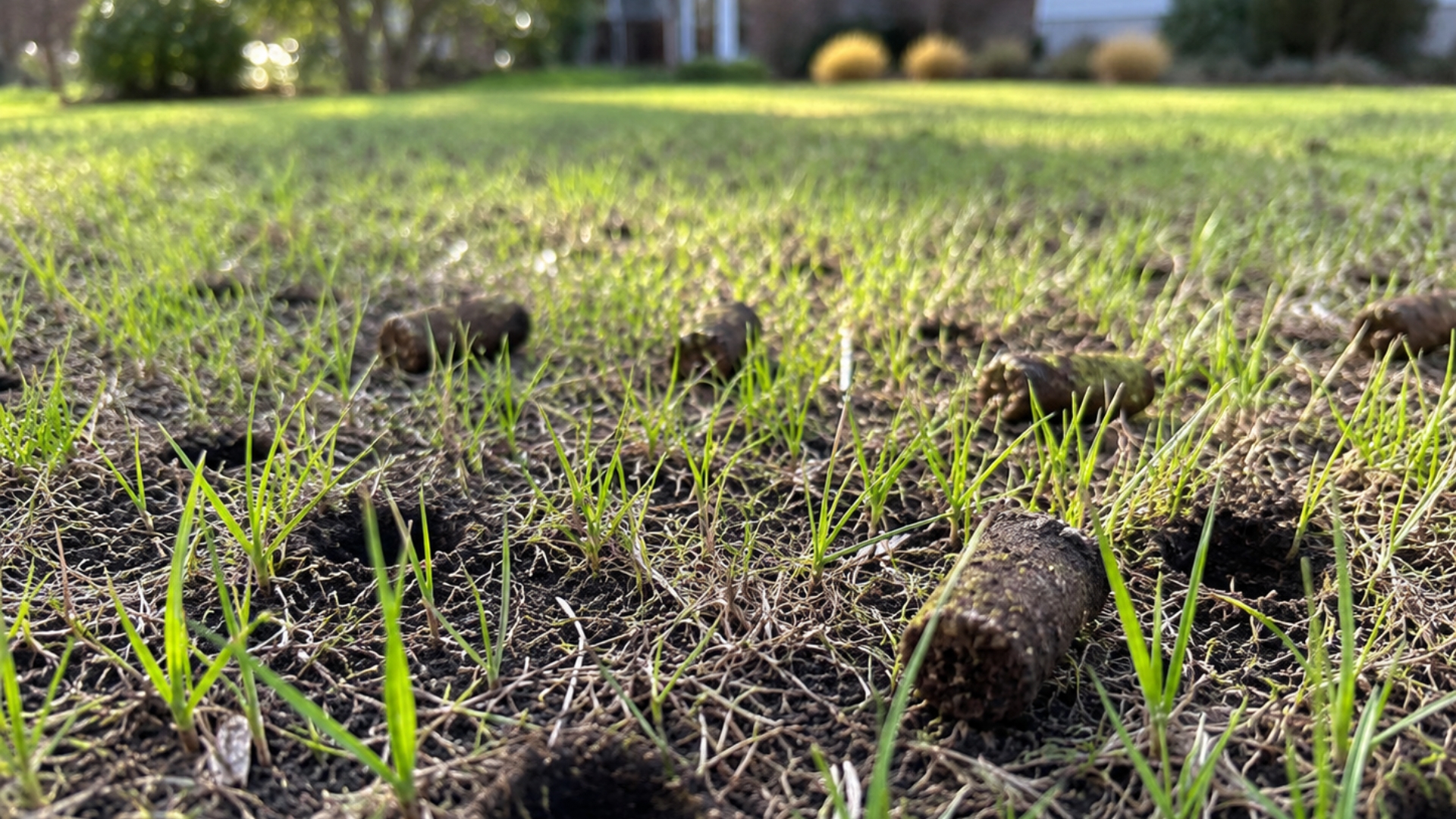
Core aeration removes small plugs of soil from the lawn. Those openings help reduce compaction and give water, air, and nutrients better access to the root zone. They also create places where new seed can make better contact with the soil.
Overseeding introduces fresh grass seed into thin or damaged areas. The goal is to increase grass density, improve appearance, and help fill areas where the existing lawn has become weak.
When the lawn needs both, aeration can prepare the growing environment before seed is applied. Successful establishment still depends on moisture, temperature, sunlight, and proper care afterward.
Homeowners can learn more about how the services work together on Paschall’s aeration and overseeding service page.
Fall is usually the right window
For cool season lawns, fall is typically the best time for overseeding in the Tulsa area. Cooler air puts less stress on young grass while the soil can remain warm enough to support germination.
Fall also gives new grass time to begin establishing before winter and provides another period of growth the following spring before Oklahoma summer heat arrives.
That does not mean every lawn should be seeded on the same weekend. Weather can change quickly from year to year. A hot September may call for a different approach than an early stretch of cooler weather.
When deciding when to aerate and overseed in Tulsa, actual lawn and weather conditions matter more than simply choosing a date on the calendar.
Grass type changes the answer
Not every Tulsa lawn grows the same grass.
Cool season lawns, including many shaded fescue areas, often benefit from fall overseeding when they become thin. Warm season lawns follow a different growth cycle and may need aeration at a different point in the year.
Overseeding a warm season lawn for temporary winter color is also different from repairing a permanent cool season lawn.
This is why generic advice online can cause confusion. Before deciding on a schedule, homeowners should know what grass they have and what they are trying to accomplish.
Not every Tulsa lawn should be aerated or seeded on the same weekend.
Does your lawn need aeration?
Compaction is one of the clearest reasons to consider aeration.
You may notice that the ground feels unusually hard when you walk across it. Water may pool or run off instead of soaking in. Areas where children, pets, lawn equipment, or regular foot traffic pass may stay thinner than the rest of the lawn.
A lawn can also receive regular watering and fertilization but continue struggling because the roots are growing in compacted soil.
Tulsa lawn aeration can help create a better environment for root growth by opening the soil and reducing some of that pressure.
Does your lawn need overseeding?
Overseeding is more focused on grass density.
Thin areas after summer heat are an obvious sign. Shaded parts of the lawn may also become sparse over time. Bare spots can begin expanding, and weeds may take advantage of the openings where grass is no longer growing thickly.
Fall overseeding in Tulsa can help rebuild those areas when the grass type and growing conditions are right.
When a lawn has both compacted soil and thinning grass, combining aeration and overseeding can make sense. Aeration improves the growing environment while overseeding gives new grass an opportunity to fill the openings.
Some problems need more than seed
Not every thin lawn can be fixed simply by spreading more seed.
Heavy shade may prevent grass from receiving enough sunlight. Poor sprinkler coverage can leave certain areas consistently dry. Standing water can weaken roots. Pet traffic may repeatedly damage the same path. Improper mowing can also stress the lawn.
Soil conditions and the type of grass growing in a particular location matter too.
Aeration and overseeding can improve a lawn, but the reason the grass became thin in the first place should not be ignored. If the underlying problem continues, new grass may struggle in exactly the same area.
Too early can create problems
Overseeding while temperatures are still very hot can make establishment more difficult.
Moisture disappears faster, which increases watering demands. Young seedlings can experience more heat stress, and actively growing warm season grass may compete with the new seed.
The first cooler morning of late summer does not necessarily mean the lawn is ready.
This is another reason the best time to overseed a lawn should be based on the conditions across the property rather than a fixed calendar date.
Too late has its own challenges
Waiting too long can also reduce the amount of time new grass has to become established.
As soil temperatures fall, germination may become slower or less consistent. Young roots also have less time to develop before colder weather arrives.
There is a useful window between summer heat and colder conditions. Finding that window is an important part of deciding when to aerate and overseed in Tulsa.
Every yard needs a closer look
Paschall’s looks beyond the calendar when planning aeration and overseeding.
Existing grass type matters. So do thin areas, compacted sections, sun and shade, foot traffic, pet activity, soil moisture, irrigation, and recent weather. The homeowner’s goals also help determine the right approach.
Seed selection should fit the property too. Areas receiving strong sun may have different needs than shaded sections or places that experience regular traffic.
That property specific approach helps create a plan based on what the lawn actually needs instead of treating every yard exactly the same.
Prepare before service
A little preparation can make service day easier.
Homeowners should follow any watering instructions provided beforehand and make sure sprinkler heads or other difficult to see lawn features are clearly identified. Toys, hoses, furniture, and temporary obstacles should be removed from the work area.
Gates should also be accessible. If part of the lawn stays unusually wet, dry, shaded, or damaged, point it out before work begins.
Most importantly, be prepared to follow the recommended watering plan after overseeding. Consistent moisture plays an important role while new grass is beginning to establish.
What happens afterward?
Core aeration leaves small soil plugs across the lawn. These are normal and will gradually break down.
Seed may also remain visible in certain areas after overseeding. New growth does not always appear evenly across the entire property because sunlight, moisture, soil conditions, and grass density can vary from one section to another.
Normal mowing may need to be adjusted temporarily while new grass establishes. Watering also becomes especially important during this period.
For more details about the process and what to expect, visit Paschall’s aeration and overseeding services.
Frequently asked questions
What month should I overseed my Tulsa lawn?
Fall is generally preferred for cool season grass, but there is not one month or weekend that works perfectly every year. Grass type, soil temperature, weather, and lawn condition should help determine the timing.
Can aeration and overseeding happen during the same visit?
Yes. The two services are commonly paired because core aeration creates openings that help seed reach the soil.
Does every lawn need aeration every year?
Not necessarily. How frequently a lawn needs aeration depends on soil compaction, traffic, grass condition, and the needs of the individual property.
Can overseeding repair completely bare areas?
It can help, but large bare areas may have another issue that needs attention. Soil preparation, drainage, sunlight, irrigation, or other repairs may need to be addressed first.
How important is watering after overseeding?
Watering is a major part of establishing new grass. Seed needs consistent moisture early on, followed by changes in watering as the grass begins developing stronger roots.
Conclusion
The best time to aerate and overseed a Tulsa lawn depends on more than the calendar. Grass type, weather, soil compaction, sunlight, watering, and the current condition of the lawn all play a role.
For cool season lawns, fall often creates the best opportunity to rebuild thin areas and prepare the grass for the seasons ahead. The key is choosing the right window for the individual property.
Not sure whether your lawn needs aeration, overseeding, or both? Paschall’s Lawn & Landscape can evaluate thin and compacted areas and recommend a plan based on the conditions across your lawn.
Keep your property looking sharp all season.
Tell us about your property and get a fast and transparent quote.